
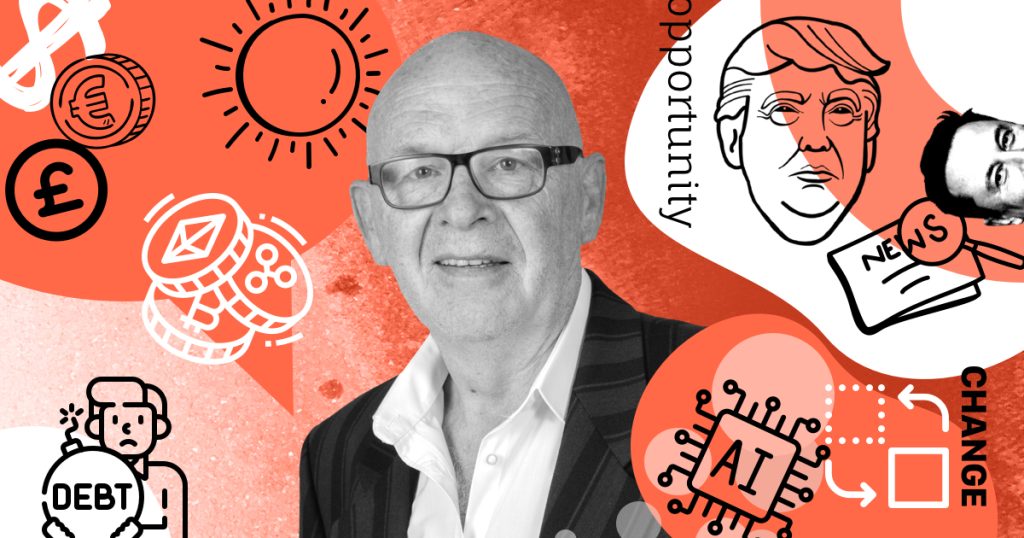
The sun is shining, the beaches are crowded, and lean, Ozempic-sculpted bodies are strutting in ever-smaller swimsuits – even if the sagging skin tells a different story.

It may not feel like the right time to dwell on politics, markets, or the economy. But like it or not, that’s exactly what demands our attention now.
Right now, Trump’s “Big Beautiful Bill” is dominating the U.S. political stage. Despite its many critics, many of which simply because it’s a Trump-backed initiative. In truth, most people couldn’t tell you what’s in it beyond the headlines, highlighting just how disconnected voters have become from the policy-making that affects their day-to-day lives.
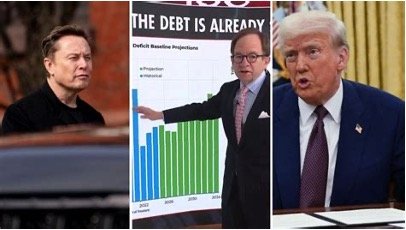
From what we do know, the bill is a mixed bag. There are elements I find promising – especially policies that aim to boost disposable income and economic growth. But there’s also the elephant in the room: the national debt. Increasing it further is a genuine concern, and it’s drawing fire from fiscal conservatives, including Elon Musk, who argues that we’re already well past the point of sustainability.
Still, it’s clear something needs to change. The path we’ve been on for decades – high debt, low growth, political gridlock – isn’t delivering. Maybe it’s time to see what a deal-maker from the private sector can do when he is not being constantly harassed or impeached. At least he’s not a career politician, a think tank graduate, or a media pundit posing as a policymaker.
Change always upsets the status quo. Those comfortable with how things are don’t want disruption – but that’s exactly what’s needed. If this bill helps boost spending and sparks meaningful growth, even a short-term rise in debt might be a price worth paying.
Markets and the Macro View
So far, markets haven’t been rattled. Equities remain strong, though we’re likely due for a correction soon. Dollar weakness has been persistent, but we’re approaching levels where a rebound seems plausible. Whether that rebound turns into a proper trend change may depend on the fate of this bill – and the broader confidence in Trump’s economic vision.
There’s talk in some circles of the dollar losing 5% annually for the next few years. That scenario makes sense in theory – especially if debt keeps climbing and growth under-delivers – but I’m not sold on the idea that the euro or pound are better alternatives. The European economy is hardly firing on all cylinders, and the UK remains weighed down by sluggish growth and a lack of political and fiscal direction.

Many may cheer the globalist agenda of the EU and parts of the U.S. left, but for those who don’t directly benefit from surging asset prices, that model hasn’t delivered. The wealth effect from rising equity markets hasn’t reached the real economy in any meaningful way.
Meanwhile, lower-income citizens, while often painted as fiscal burdens, aren’t the ones directly driving the debt crisis. That responsibility falls on the crony global capitalists, their friends in the bloated Civil Service – who have for decades enjoyed vastly more benefits than they deserve – and on the governments that spend more than they take in. What we need is less bureaucracy, more broader growth, and more opportunity – and that’s what Trump is at least attempting to provide.
Crypto and AI: The Next Frontiers
If Trump’s policies deliver, we could see a scenario where the stock market stays firm, the dollar strengthens, and Bitcoin takes off. But if it all falls apart? Expect a return to the same globalist status quo: stagnant growth, bloated government, and financial markets that no longer reward risk-taking. In that world, you might as well trade in your charts for a safe, pension-backed, overpaid, government job.

And then there’s AI. Everyone’s talking about AI-driven investing systems – algorithms that claim to beat the market with smart prompts and better data. I’m no expert, but even with limited knowledge, I can see that some of these tools are getting dangerously good. The real question is: what happens when everyone starts using them?
If one system works, eventually everyone piles in – and when everyone’s buying at the same time, who’s left to sell? That’s not a healthy market – that’s a bubble machine. It could lead to such extreme booms and busts that investors are driven out altogether. Maybe not tomorrow, but we’re heading in that direction faster than most realise.
Final Thoughts
So where are we headed? My base case is that equity markets will correct soon – the rally’s tired and sentiment is stretched. The dollar’s weakness should also reverse somewhat, not because of strength in the U.S., but because Europe doesn’t deserve the currency strength it’s getting. And Bitcoin? It needs to move higher soon, or we risk seeing a deeper pullback.
It’s going to be a volatile summer. The decisions being made now – both in Washington and in the AI labs of Silicon Valley – will echo long beyond the beach season and costly tan.
The post Where Will We Be by the End of Summer? first appeared on JP Fund Services.
The post Where Will We Be by the End of Summer? appeared first on JP Fund Services.
The post Where Will We Be by the End of Summer? first appeared on trademakers.