
We are all finding out what “America First” really means. And, if I were sitting in the U.S., I probably wouldn’t be so unhappy about it. However…
One thing about the current American President – no one can accuse him of being predictable.
As I mentioned last week, Trump’s actions and comments are making markets extremely volatile, which for us speculators increases both opportunity and risk. Trying to second-guess what he’ll post on “Truth Social” next is a dangerous game.
More importantly, his couldn’t-care-less attitude towards other countries – especially those he believes haven’t treated America fairly – is hardly what you’d call diplomatic.
That said, whether you like it or not, his strongman approach is exposing the weakness of other leaders. And it may finally be shining a spotlight on something I’ve been banging on about for the past six months: Europe has been heading down the wrong path for years, and now we’re starting to pay the price.
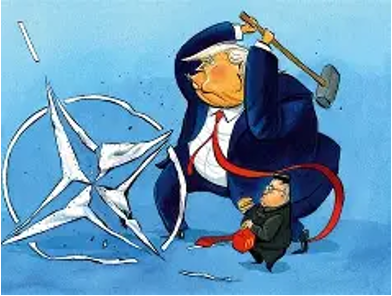
We’ve ridden on the coattails of the U.S. for far too long. Now we have an “America First” President, and it means exactly what it says on the tin – America first. Everyone else? You’re on your own.
Look at the world’s major powers – America, China, Russia, India – they all put themselves first. That’s the game. Meanwhile, Europe continues to bury itself in rules, regulations, and endless talk of “coalitions of the willing.”
The reality, in my view, is that Europe’s decline is no longer a theory – it’s happening. And I struggle to see a meaningful reversal in my lifetime.
We need to factor that into how we invest and speculate.
And now, with Trump potentially looking to pull back from Iran, like a young man relying on timing rather than using a condom – pulling out at the last minute might seem like a solution… but it’s still likely to leave a mess behind for others to clean up!
Anyway, let’s get back to the markets.
The past month has reminded us – rather brutally – that markets don’t operate in a vacuum. Since the U.S. and Israel launched strikes on Iran at the end of February, geopolitics has moved from the background to center stage, and traders have had to price in something far less predictable than inflation prints or central bank guidance: outright conflict.
The initial reaction was textbook. Risk came off quickly, oil spiked hard, and safe-haven trades lit up. But what’s been more interesting, at least to me, is what happened next. Markets didn’t collapse – they adjusted. And that tells us quite a lot about positioning and expectations.

Equities, for a start, took a hit but didn’t panic. The S&P 500 and Dow drifted lower, at times sitting a few percentage points off their highs, while the Nasdaq felt a bit more pressure. Europe and parts of Asia, as you’d expect, looked more fragile – energy dependency still matters when supply is suddenly in question. Under the surface, though, it’s been a classic rotation story: energy and defense firms bid higher, while anything cyclical – industrials, airlines, property – has struggled. Tech has held up better than many expected, almost acting as a relative safe harbor.
Oil, unsurprisingly, has been the real story. With the Strait of Hormuz back in the headlines, crude surged aggressively, pushing well into the $100–$120 range at times. That move wasn’t just speculative – it reflected genuine fear around supply disruption. Even with reserve releases trying to calm things down, the market has kept a meaningful risk premium baked in.
Gold, interestingly, hasn’t behaved quite as the textbook would suggest. Yes, it spiked early on, but since then it’s come under pressure. A stronger dollar and shifting rate expectations seem to have taken the shine off it, and we’ve seen a decent pullback from earlier highs. A useful reminder that “safe haven” doesn’t always mean “straight up.”
On the currency side, the dollar has done what it typically does in times like this – firm up. EUR/USD has drifted lower, reflecting both safe-haven demand and the uncomfortable reality that Europe is more exposed to energy shocks than the U.S.
Bitcoin has been its usual unpredictable self. It sold off initially with everything else, then clawed its way back. There’s still a narrative doing the rounds that it behaves like “digital gold,” but in truth, it trades more like a high-beta asset with occasional flashes of independence.
So where does that leave us?
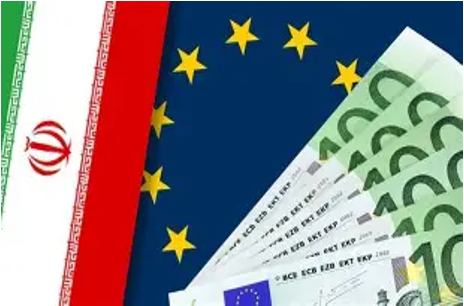
If this drags on for another month, with Trump or without him, the risks become more pronounced. Oil stays elevated – or pushes higher – and that feeds straight into inflation expectations. Central banks then find themselves in an awkward position again, and equities, particularly outside the U.S., could come under renewed pressure.
You’d likely see continued outperformance in energy and defense, while anything sensitive to growth or rates remains on the back foot. The dollar probably stays firm, and volatility doesn’t go away.
That said, markets are already pricing in a fair bit of this. They tend to assume conflicts are contained and relatively short-lived – until they’re not.
Flip the scenario, and it’s a very different picture. If we get de-escalation – shipping lanes reopen, tensions cool – then you’re looking at a classic relief trade. Oil comes off, risk appetite returns, and equities – especially those beaten-down international names – bounce. Gold and the dollar would likely ease, and even crypto might catch a bid as sentiment improves.
The key point, as always, is that markets are forward-looking but not all-knowing. Right now, they’re balancing a few competing narratives: disruption versus resolution, Trump staying or going. And until these issues are known, we’re likely to stay in this choppy, reactive environment.

From where I sit, this is less about predicting the outcome of the conflict – none of us have that luxury – and more about understanding how capital is positioning itself around uncertainty. Watch oil, watch the dollar, and watch how equities behave on bad news. That will tell you far more than any headline ever will.
Alternatively, read our weekly “Chartbook”, the analysis is purely technical. And that is probably the best way to play these markets right now!
Please note the political opinions expressed above are those of the author himself, and do not necessarily reflect the opinions of JP Fund Services AS.
The post What Does ‘America First’ Really Mean? first appeared on JP Fund Services.
The post What Does ‘America First’ Really Mean? appeared first on JP Fund Services.
The post What Does ‘America First’ Really Mean? first appeared on trademakers.