
What we’ve witnessed over the past week is a recalibration. A reminder that liquidity can thin out faster than expected. That safe havens can reverse. That risk assets can detach from their stories. And that momentum, no matter how powerful, is never permanent.
What we have seen recently wasn’t a slow rethink or a calm pullback. It was sudden, rough, and very good at punishing anyone who thought the trend would just keep rolling along. If you stayed flexible and reacted to what prices were actually doing, it was a decent week. If you dug your heels in and refused to adapt, it probably hurt.
What really stood out this week was how fast everything happened. One moment, markets were sliding lower, weighed down by worries about AI spending and investors being forced to sell. The next, prices snapped sharply higher, before settling into messy back-and-forth trading. All of this played out in just a few days.
The Dow Jones rose above 50,000 for the first time. The S&P 500 and Nasdaq also jumped when sellers finally ran out of steam. This wasn’t because the outlook suddenly got better. It was simply that too many people had already sold. When that happens, prices don’t creep back up – they jump.
Bitcoin did what Bitcoin does best: added drama. It dropped below $60,000, then surged back above $70,000 within hours, before settling in the mid-to-high $60,000s. That kind of move isn’t calm, long-term investing; Its traders being forced out of positions and the market resetting itself. Once the panic selling ended, buyers stepped back in.
After the bounce, the differences between markets became clearer. The Dow kept edging higher as money flowed into more traditional, defensive companies. That usually happens when investors are nervous but not panicking. The Nasdaq struggled more, still dealing with doubts about AI and which companies will actually make money from it. The S&P 500 spent the whole week trying – and failing – to stay above 7,000.
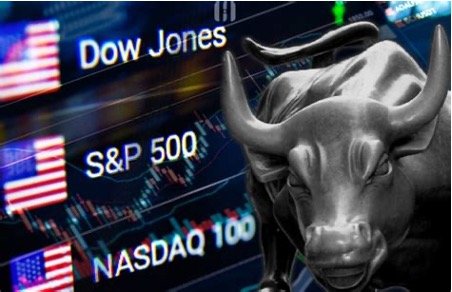
That 7,000 level became a big deal. Above it, a lot of automated funds tend to buy more. Below it, trading stays choppy and frustrating. Each time the index failed there, the message was the same: this wasn’t the start of a big new rally. Company results added to the uncertainty, with several tech firms warning that profits in 2026 could be squeezed by AI competition. AI isn’t disappearing – but it’s changing who wins and who doesn’t.
Currency markets were a bit calmer but still sent clear signals. The Japanese yen jumped after Japan’s election, pushing the dollar sharply lower against it. That move hurt investors who had piled into popular “borrow cheap yen and buy risk assets” trades. The euro also climbed as U.S. data softened, and interest rates slipped. The dollar didn’t fall apart, but it lost momentum – enough to make traders think twice.
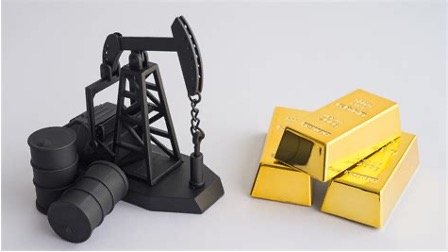
Commodities behaved sensibly. Oil held steady around $69–70, supported by tensions in the Middle East and solid demand from Asia. Gold picked itself up after January’s pullback, holding above $5,000 as U.S. interest rates eased. It wasn’t fear driving gold – it was simple maths around rates and currencies.
Bitcoin then spent the rest of the week moving sideways, reminding everyone of an uncomfortable truth: it still behaves like a turbo-charged tech stock. When markets are calm, it flies. When things get rough, it drops faster than almost anything else.
By the end of the week, traders stopped worrying about what had just happened and started looking ahead. Two things mattered most: upcoming U.S. jobs data and whether the S&P 500 could finally hold above 7,000. If it does, more money is likely to come back in. If it doesn’t, expect more choppy trading.
The takeaway was simple. Strong economic data would push interest rates and the dollar higher, hurting tech stocks and bitcoin. Weaker data would help stocks, support gold, and keep pressure off markets.

This wasn’t a market for bold predictions or strong opinions. It was a market for staying light on your feet. Crowded trades got punished. Those over-leveraged got exposed. And prices reminded everyone that this is a fast-moving, unpredictable environment. Sharp reversals and sudden changes aren’t unusual – they’re normal right now. If you focus on price levels and stay flexible, there are plenty of opportunities. If you wait for certainty or refuse to adapt, this market won’t wait for you – and it won’t be kind.
Please note the political opinions expressed above are those of the author himself, and do not necessarily reflect the opinions of JP Fund Services AS.
The post Volatility Is Back – And It Didn’t Ask Permission first appeared on JP Fund Services.
The post Volatility Is Back – And It Didn’t Ask Permission appeared first on JP Fund Services.
The post Volatility Is Back – And It Didn’t Ask Permission first appeared on trademakers.