
The S&P 500 and NASDAQ kept pushing into record territory, and yes, the headlines look lovely. New highs, AI enthusiasm, tech optimism, all the usual confetti. But let’s not kid ourselves.
This is not some grand, broad, healthy bull market where every sector is marching forward like a well-drilled army. It is still heavily dependent on the same handful of technology names, the same AI story, and the same willingness by investors to pay up first and ask questions later.

The S&P 500 looks strong on paper, but a narrow rally is like an old pub table with one good leg. It stands there looking useful until someone leans on it. The NASDAQ, meanwhile, is still the market’s favourite casino. Anything with a chip, cloud, data centre, or AI label gets treated as if it has discovered the cure for human stupidity. Maybe some of these companies really will grow into their valuations. But plenty won’t. Markets are assuming the winners are already known. That is usually when the bill arrives.
The big risk traders are underestimating is simple: this rally has very little tolerance for disappointment. If earnings wobble, if margins get squeezed by higher energy costs, or if bond yields push higher again, the same crowd now chasing AI will suddenly remember valuation discipline. They always do, usually after the horse has bolted and the stable door is lying in the next county.
The FTSE 100 had a more mixed week. It bounced as miners helped the index, which is no surprise given the strength in parts of the metals complex. But London is still not exactly the global capital of excitement. The FTSE is cheap, defensive, and unloved, which is not always a bad combination. But the UK market continues to suffer from a confidence problem. Investors like the dividends, tolerate the banks, occasionally flirt with the miners, and then remember the domestic economy is still being dragged through wet cement.

Sterling has not exactly been a disaster, but let’s be honest, it is not trading like the currency of a country overflowing with direction. The pound remains stuck between stubborn inflation, weak growth, and a government that seems to think “policy” means reacting badly to yesterday’s headlines. UK politics is becoming a market variable again, and not in a helpful way. When investors start asking whether Downing Street has a plan, and the answer sounds like a civil service memo written during a fire drill, confidence suffers.
Against the dollar, both the euro and pound remain vulnerable. The dollar has its own problems — debt, politics, deficits, and the usual Washington circus — but it still benefits from one very important thing: when fear rises, people still reach for dollars. Not because America is perfect. Far from it. But because the alternatives are not exactly shining examples of competence. Europe wants the euro to matter more globally, but wanting and doing are two different things. The eurozone now has inflation pushing back above target again, helped by energy pressure, and that makes the European Central Bank’s job ugly. Raise rates and squeeze weak economies. Don’t raise rates and lose credibility. Lovely choice. Like choosing between a punch in the nose and a boot in the backside.
Oil remains the market’s most dangerous moving part. The Gulf situation is still not a side issue; it is the main fuse box. The Strait of Hormuz remains the phrase traders should have pinned to their screens. Some tankers moving through does not mean everything is suddenly tickety-boo. It means the market is testing whether the door is slightly open. That is not the same as safe, normal, reliable energy flow.
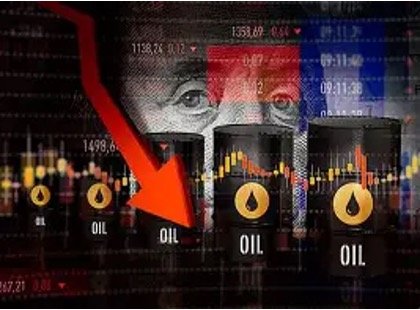
Oil prices have been whipped around by every rumour of talks, every strike, every ceasefire whisper, and every shipping update. Traders are treating diplomacy like a light switch: peace on, oil down; war on, oil up. That is childish. Energy markets do not heal overnight. Supply chains, insurance rates, shipping routes, inventories, and political trust all matter. If the market is wrong-footed by another escalation, crude can move violently. And if crude spikes again, the inflation problem comes back with a shovel and starts digging up everyone’s rate-cut fantasies.
Gold has been quieter, but I would not ignore it. Gold does not need to shout when central banks are still treating it as real money while politicians treat paper money like confetti. It pulled back at points, but the bigger picture remains intact: gold is still a hedge against stupidity, and there is no shortage of that. When investors tell you gold is boring, remember that boring often looks brilliant after a currency or bond market tantrum.
Bitcoin had a rougher tone, sliding hard enough to remind everyone that “digital gold” still behaves like a hyperactive teenager after six cans of energy drink. It can rally beautifully when liquidity is friendly and risk appetite is strong, but it is not immune to fear.
If Bitcoin cannot hold key psychological levels when equities are at highs, that tells you something. Either crypto traders are nervous, or liquidity underneath the shiny surface is not as strong as people claim. I still like Bitcoin as a long-term speculation, but anyone pretending it is a calm safe haven needs a lie-down.
So where does that leave us? Simple. Equity bulls have momentum, but the rally is narrow and crowded. The dollar remains the least ugly horse in the currency stable. Oil is the real macro landmine. Gold is still insurance. Bitcoin is still speculation with a crash helmet. The FTSE is cheap, but cheap can stay cheap when politics and growth look tired.
For traders, the next week is not about chasing every green candle like a dog chasing a bicycle. Watch market breadth in the S&P and NASDAQ. Watch whether AI names keep carrying the whole circus. Watch oil and Hormuz headlines like your wallet depends on it, because it probably does. Watch bond yields, because they can ruin an equity party faster than a tax inspector at a wedding. And watch sterling, because UK politics has a nasty habit of turning comedy into capital flight.
The no-nonsense view? Stay involved, but do not get drunk on the rally. Momentum is real, but so is risk. This is a market priced for good news while standing next to a geopolitical petrol can. Trade it, don’t marry it.
Please note the political opinions expressed above are those of the author himself, and do not necessarily reflect the opinions of JP Fund Services AS.
The post Trade the Rally, Don’t Marry It first appeared on JP Fund Services.
The post Trade the Rally, Don’t Marry It first appeared on trademakers.