
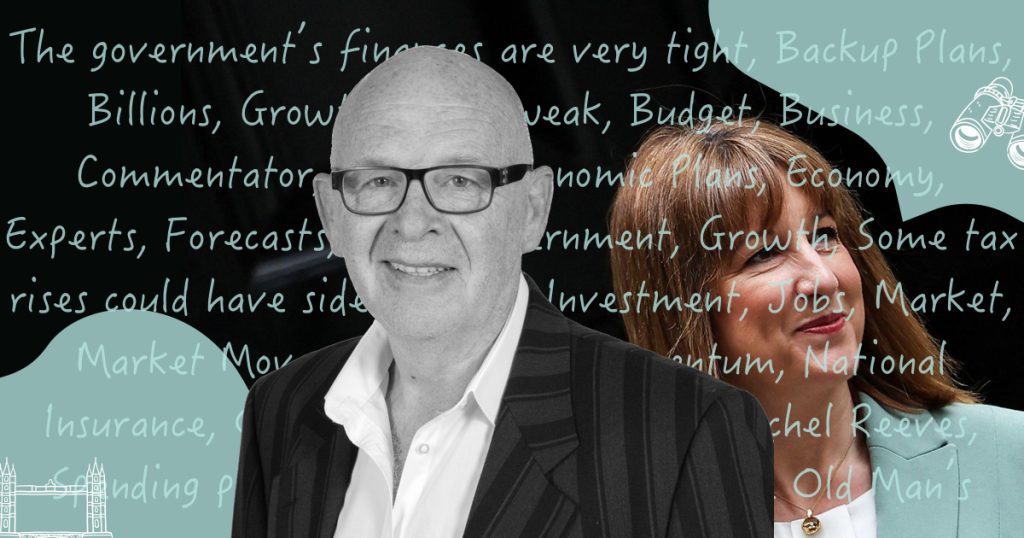
Today will hear the Autumn Budget from Rachel Reeves, British Chancellor of the Exchequer. Whilst it would be easy for me to be extremely critical, especially because we already know much of the content, for the purpose of being more balanced, here is a quick summary of why some economists and think-tanks are worried about in regards to the UK’s current economic direction.
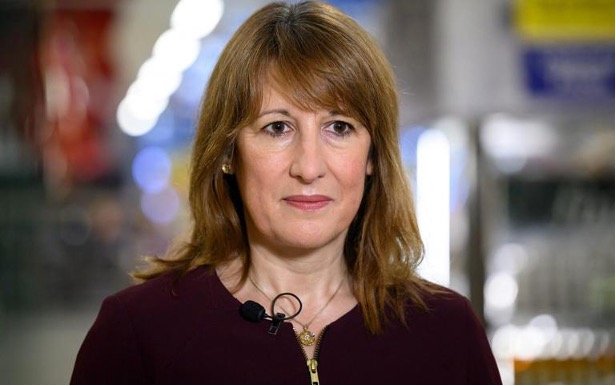
1. The government’s finances are very tight
Independent bodies like the ONS and OBR say the UK is still borrowing a lot of money and debt is high.
- Borrowing for 2024–25 was estimated at about £152 billion, higher than expected.
- Public debt is around 84% of GDP, which means the UK has less room for unexpected problems.
This makes it harder for the Chancellor to spend more without raising taxes.
2. Growth is still weak
Groups like the OECD and IFS have cut their growth forecasts for the UK. The OECD expects about 1% growth in 2026, which is low.
Weak growth means:
- Lower tax receipts
- Less money for public services
- Tougher choices in every Budget
3. Some tax rises could have side-effects
One of the biggest concerns raised by analysts is that some of the new tax measures may hurt hiring and investment.
For example:
- Changes to employer National Insurance contributions are expected to raise billions, but business groups warn this makes hiring more expensive — especially in sectors like hospitality, which estimates £1bn in extra costs.
Economists worry this could slow down job growth.
4. Spending plans may not add up
Reeves has announced long-term investment plans, but think-tanks warn the numbers rely on optimistic forecasts.
Groups like the IFS and Resolution Foundation say:
- The government may have to choose later between more tax rises or spending cuts
- The “headroom” Reeves has given herself is very small — meaning any bad economic news could force changes
5. Experts want clearer backup plans
Independent analysts say the Chancellor should publish clearer explanations of:
- What happens if growth slows
- Which spending is protected
- What taxes could rise next
The concern is that uncertainty makes it harder for businesses to plan and invest.
In short…
The UK economy is growing slowly, the government’s finances are tight, and some of the tax measures could unintentionally make things harder for employers. Analysts say the Chancellor needs to be clearer about her long-term plan and what she’ll do if forecasts worsen.
Above is a summary of what major think-tanks, international organisations and analysts have said.
Personally, this Chancellor is not qualified to do the job she is employed to do, and this government will keep on taxing its citizens into bankruptcy, or at least those citizens who do not have the option to leave the country. Those who do have the wherewithal to leave have done so, 20,000 millionaires, and the recent departure of Mr Mittal, a multi-billionaire who has supported the current government, but has now chosen to leave, is just the icing on the cake.
The UK will need to get a bail-out from the IMF, but unlike the bail-out the UK needed in the 1970s, the IMF money will not be sufficient to turn things around.
I know I have been bashing the UK since the spring, but my fear for the country is real… I continue to believe the UK is not a good place for investing, it is not a country I would return to, and as a patriot, I believe it is no longer a country worth dealing with…and as for the next government. They will inherit more economic and social damage than they could handle.
Please note the political opinions expressed below are those of the author himself, and do not necessarily reflect the opinions of JP Fund Services AS.
The post The main concerns around Rachel Reeves’s Budget and Economic plans first appeared on JP Fund Services.
The post The main concerns around Rachel Reeves’s Budget and Economic plans appeared first on JP Fund Services.
The post The main concerns around Rachel Reeves’s Budget and Economic plans first appeared on trademakers.