
I don’t cry when I lose money. Markets do what markets do. They give, they take, and if you’ve been around long enough, you learn to take your medicine without throwing the toys out of the pram.
But watching my beloved country go downhill? That does bring me close to tears.

I know I should probably be writing about bigger global events – things that move more markets than the slow-motion collapse of the United Kingdom – but the clown show that has become No.10, and frankly much of the British Parliament, needs to be discussed.
The Houses of Parliament at Westminster are affectionately known as the Mother of Parliaments. But like so many things in this modern, progressive world, what was once good has been slowly eaten away by socialism, irresponsibility, and the refusal of those in charge to admit the damage they have caused. And there has been a lot of damage.
We all have our own political views. We all have our own ideas about right and wrong. But as a capitalist, and as someone with a long and rather bruising career in capital markets, I remember more than most. And what we are seeing today – across the Western world, or at least much of it – looks very much like what the book called The Suicide of Europe.
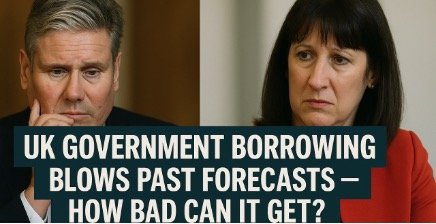
Before anyone starts complaining that politics has no place in market commentary, let me remind you of something. UK gilts are under pressure because of UK debt. The FTSE has performed poorly compared with other major indices. Sterling has spent too much time on the ropes. Politics affects markets, whether we like discussing it or not.
As an expat, I live in a foreign country and watch the news through a mix of state and private media sources. And, on the whole, the stories we are fed are rarely fully factual and almost never unbiased.
That bias is not unusual. It exists across the mainstream media all over the world. Many outlets receive funding, directly or indirectly, from political organisations. We know the EU supports a great deal of media across Europe, and let’s not be naïve: organisations that criticise the hand that feeds them do not usually get invited back to the trough.
Then we have journalists themselves. Many of them, by nature, never really stopped being students. And most students are idealistic socialists until life, taxes, mortgages, and reality eventually knock some sense into them. This is why more and more of our budgets are spent on students, children, and “education”. Sorry, but much of it looks like propaganda to me. Get them young, and you’ve got them for life.
Real journalism, sadly, has gone the way of the dinosaur. And as a result, we now end up with politicians whose IQ appears to be roughly the same as one.
As an Old Man, I do occasionally get called an “old dinosaur”. Not often, but it happens.
I take it as a compliment.
Not only have I seen most major market moves since the early 1970s, I have also watched how politics affects our markets. And without doubt, national politics and geopolitics now move markets far more frequently than they used to.
Wars and sanctions have always affected markets. So have coups, regime changes, and shifts in major governments. Those basic fundamental forces will always influence the pricing of the products we trade. The current situation around the Strait of Hormuz is a clear example.
But I have also seen, first-hand, the growth of financial markets. And I will say this: if financial markets had not become so enormous, our governments would never have been able to use them to build such massive national debts. That is the heavy, burdensome collar now hanging around all our necks.
In the early days of modern financial markets, it was Goldman Sachs and Morgan Stanley that benefited from the great expansion. Before them, it was the major gold houses – the Rothschilds and others. Today, it is BlackRock and Vanguard.
But no matter who benefits from government debt, one old rule remains true: he who pays the piper calls the tune.
The reality is that the UK, like many other Western nations, is now heavily dependent on international bond buyers. And as our countries have moved away from being industrial economies and towards being service economies, our debts have continued to rise. We are now at the point where simply servicing those debts has become a serious problem.
When it comes to capital, those of us with a functioning brain know that bankers generally have a much better grip on economic reality than politicians. Bankers focus on what is good for their bank and their shareholders. Politicians, on the other hand, often have little understanding of how things work. Worse still, because their political lives are short, they make decisions that future governments – and future taxpayers – will have to pay for.
All today’s politicians really care about is finding enough money from lenders to cover over the mistakes they have made. They need enough cash to get re-elected a few times. Then, once they have pocketed their salaries, pensions, speaking fees, and cosy little benefits, they can retire to some leafy village and leave the next lot to deal with the mess.
The strange thing is that it was less than 20 years ago that we faced the financial crisis – a period when debts could no longer be serviced properly. Yet since then, probably because the banks were bailed out by the taxpayer, governments have been lent even more money.
Madness.
Centre-right governments, which usually have a bit more fiscal discipline, tend to manage debt better than socialist governments. But left-wing, progressive governments only get into power by promising milk and honey to the electorate.
And once these socialists get into office, they start passing laws to appease their unproductive supporters. Then the bankers turn up and say, “Of course we’ll lend you more money, provided you make certain policy decisions.” And these naïve politicians always take the money.
That is where the UK is today.
Less than two years after being elected, the electorate is already calling for the Prime Minister’s head. Instead of resigning, he is offering to give people more money, spend more on public services, and pretend that another round of state spending will somehow fix the damage caused by previous rounds of state spending.
The result? Poorer taxpayers, richer bankers, and happier shareholders.
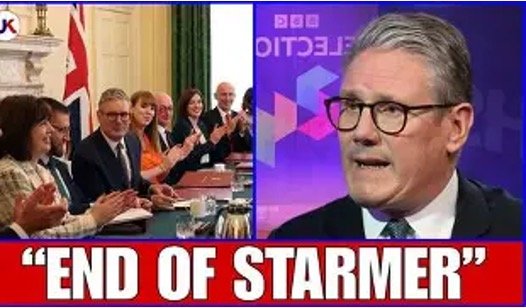
The UK Prime Minister will not last. His own people will eventually get rid of him. But removing one Prime Minister, no matter how bad he has been, will not fix Britain. Debt will continue to rise. Productivity will continue to decline. The underlying problem will remain.
This means – as I saw in the 1970s – the UK may once again need outside support. Back then, it was the IMF. But this time, I am not sure any institution will be able to provide enough support to solve Britain’s problem. The sums involved are simply too large, and the political courage required is almost non-existent.
I could list all the disasters UK politicians have caused over the past 30 years: the Iraq War, the bank bailouts, the massive growth of the public sector, overly generous welfare payments, selling the nation’s gold below $300, allowing mass immigration without proper planning, and a host of other decisions made for political reasons rather than economic ones.
But what is the point?
We all know what has happened.
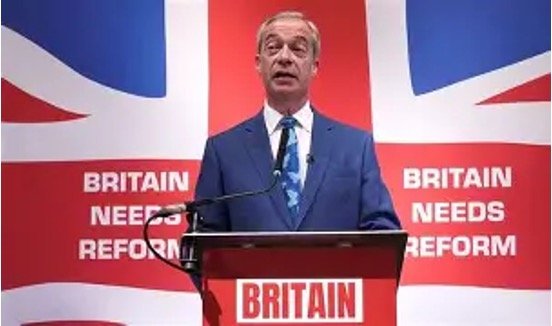
And I must be honest. Even if the rising star of UK politics, Nigel Farage, does eventually get into No.10, the debt problem will still be too large. For all intents and purposes, he is a pound-shop Donald Trump – but without Trump’s executive power. British politics works differently. It is slower, messier, more cautious, and far more tangled in bureaucracy.
I have been writing about this for a long time, certainly since the current government came to power. And my argument stands:
I would not invest in the UK, even if my life depended on it.
There may be a short-term change in Prime Minister. There will probably be a change in government sooner rather than later. Markets may even enjoy a brief rally on the hope that fresh faces mean fresh thinking.
But it will not stop the UK economy from collapsing under the weight of its own mistakes.
The damage has been building for too long. The debts are too large. The political class is too weak. It really is that simple.
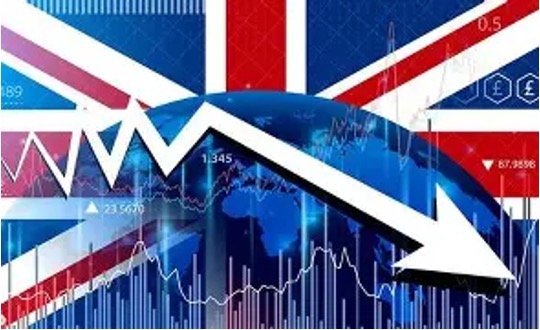
As I have been saying for two years, even if markets improve on upcoming political changes, the UK is still in serious trouble. I would not throw my money at it. I would not buy gilts. I would not own Sterling.
And at my age, that view is unlikely to change while I remain on this earth.
I have family and friends who are suffering now, and many more who will suffer in the future. That is why I cry for my homeland.
If you want to support it, be my guest.
But on your own head be it.
Please note the political opinions expressed above are those of the author himself, and do not necessarily reflect the opinions of JP Fund Services AS.
The post I Don’t Cry When I Lose Money, But When It Comes to My Country… appeared first on JP Fund Services.
The post I Don’t Cry When I Lose Money, But When It Comes to My Country… first appeared on trademakers.