

I’ve been on the road for the past week, taking care of my old mum in the UK.
I thought if I leave the markets alone for six days, I could reasonably expect to return to little more than a slightly different set of prices. However, since last week, we’ve had oil crashing, oil surging, technology shares being mugged, the FTSE reaching record territory and central bankers once again pretending they know what happens next.
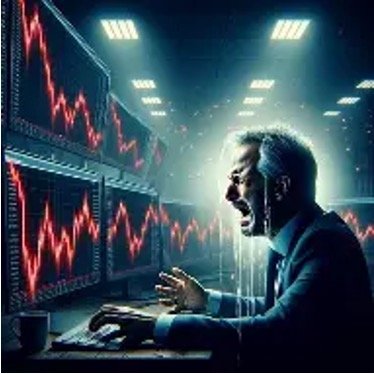
What a time to take a week off! Anyway, this report is going to be a bit of a recap.
The dominant story over the past week has been from the Middle East. Brent crude began the period close to $92 a barrel after briefly trading above $100. Hopes of renewed US–Iranian negotiations, a pause in hostilities and talk of reopening shipping routes then sent Brent tumbling towards $82.
Unfortunately, peace lasted about as long as an ice cream in July.
Fresh Iranian attacks, followed by US and Saudi airstrikes, pushed Brent back above $90 on Wednesday – a one-day rise of roughly 7%. WTI jumped towards $85. A reported 7.2-million-barrel fall in US crude inventories added fuel to the fire.
This is not a normal oil market. It’s currently a geopolitical betting shop. Every rumour of peace removes the war premium; every missile puts it straight back. Anyone trading it heavily without disciplined stops is effectively gambling on the next headline.
Equity markets haven’t escaped the confusion. The S&P 500 was broadly directionless on Friday and Monday, before gaining 0.2% on Tuesday. The Dow did rather better, rising more than 500 points as investors rotated into consumer, industrial, and defensive shares.
The Nasdaq was another matter.
The semiconductor sector has been thumped as investors began questioning whether the extraordinary sums being poured into artificial intelligence will produce equally extraordinary profits. The Philadelphia Semiconductor Index fell another 4.5% on Tuesday, while weakness in Nvidia, AMD, Micron and Asian chipmakers dragged the Nasdaq-100 briefly into correction territory.
On Wednesday, renewed fighting and higher oil prices produced another sell-off. The S&P 500 lost around 1%, the Nasdaq dropped 1.2%, and the Dow fell roughly 1.7%. The Nasdaq now stands more than 9% below its June high.

That doesn’t mean the AI story is finished. It means valuation has finally met accountability. Investors no longer want to hear how much money companies are spending on AI; they want to know when they’ll see a return.
Tesla provided another warning. Despite record quarterly revenue, profits disappointed, free cash flow turned negative and planned capital expenditure exceeded $25 billion. The shares fell more than 14% after the results. Tesla may eventually build robotaxis, humanoid robots and half the infrastructure on Mars, but shareholders are being asked to pay for the journey today.
Meanwhile, London has quietly enjoyed itself. The FTSE 100 touched an intraday record of 10,951 before closing at 10,908. Its relative lack of technology shares suddenly looks rather clever. Energy companies, miners, banks, and strong results from Rio Tinto and Standard Chartered helped the index outperform. Sometimes being unfashionable pays very well.
In foreign exchange, the dollar remained firm but surprisingly well behaved. EUR/USD moved from around $1.137 to $1.139, while sterling hovered near a four-week low around $1.329. USD/JPY remained close to a 40-year high near ¥164. The yen’s weakness reflects Japan’s deeply negative real interest rates, but at these levels traders must remain alert to official intervention.
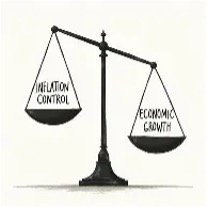
The Federal Reserve left rates unchanged, although three policymakers reportedly preferred an increase. Higher oil prices complicate everything: they threaten inflation while simultaneously weakening growth. That is precisely the mixture central banks hate.
Gold held near $4,060–$4,075 rather than exploding higher. Copper eased towards $6.29 per pound but remains roughly 36% higher than a year ago. Bitcoin was similarly restrained, slipping from about $65,000 to around $64,000. Its failure to rally strongly during geopolitical stress is another reminder that Bitcoin still behaves more like a liquidity-sensitive risk asset than digital gold.
Finally, we’ve entered the summer holiday period. Trading desks are thinner, decision-makers are disappearing to beaches, and fewer orders can move prices further than usual. Add missiles, central-bank uncertainty and major technology earnings, and you have a particularly unpleasant cocktail.
Looking ahead, markets must decide whether the technology sell-off is merely a healthy correction or the start of something more serious. Results from Microsoft, Meta, Amazon and Apple will set the early tone, followed by Palantir and AMD next week. With AI valuations still demanding near-perfection, decent numbers may not be enough. Investors want strong guidance and evidence that enormous spending on chips, data centres and artificial intelligence is producing genuine returns.
The economic calendar includes US manufacturing data, job openings, ADP employment and the ISM services survey. Strong figures, combined with oil near $90, could increase expectations of a Federal Reserve rate rise in September – lifting bond yields and the dollar while pressuring technology shares, gold and Bitcoin. Weak data may calm rate fears, but it would also raise uncomfortable questions about economic growth.
But, above everything hangs the Middle East. Renewed negotiations could push Brent back towards $82–$85, while further attacks or disruption around the Strait of Hormuz could quickly return $95–$100 to the conversation. For now, watch oil first, bond yields second and equities third. In these thin summer markets, don’t chase the first move. Let the market reveal its hand before placing the bet.
Please note the political opinions expressed above are those of the author himself, and do not necessarily reflect the opinions of JP Fund Services AS.
The post I’ve Been Away Six Days, and the Markets Seem to Have Misplaced Their Marbles first appeared on JP Fund Services.
The post I’ve Been Away Six Days, and the Markets Seem to Have Misplaced Their Marbles first appeared on trademakers.