
The first week of July began with markets doing what markets often do when they have decided not to worry: pretending everything was under control.
Equities were grinding higher, traders were nodding along to central bankers as if anyone truly understood them, Bitcoin was trying to look respectable, and oil was quietly sulking in the corner. Then, just as everyone was getting comfortable, the Middle East walked back into the room with muddy boots.
It was a useful little reminder. Optimism is lovely. Liquidity is helpful. AI is still the market’s favourite dinner-party guest. But geopolitics does not need an invitation.
At the start of the week, equities were still feeding off the same cocktail that has kept this market standing: AI enthusiasm, plenty of liquidity, and the hope that central banks are closer to finishing their tightening cycle than they are willing to admit. Global stocks were steady as traders digested softer oil prices, Fed comments, and weaker eurozone inflation, which gave the ECB another excuse not to rush into anything dramatic.
That suited risk assets just fine. Markets love patient central bankers almost as much as politicians love spending someone else’s money.
Then came the U.S. jobs report, and the mood shifted. June payrolls rose by only 57,000, well below expectations, while unemployment actually dipped to 4.2%. It was one of those beautifully confusing numbers that markets enjoy far more than ordinary people do. Weak enough to reduce fears of another aggressive Fed move, but not weak enough to scream recession.
The dollar fell sharply, the euro pushed toward $1.1430, and USD/JPY slipped back toward 161 as traders started sniffing around for possible Japanese intervention. Nobody quite knew whether to call it good news or bad news, so Wall Street did what Wall Street usually does in that situation: it bought first and asked questions later.
The Dow hit a record closing high, while the S&P 500 remained well supported. The Nasdaq, however, looked less convincing. Chip shares began to wobble, and that matters. The AI trade has been the market’s favourite child for months, but even favourite children get tired, expensive, and occasionally irritating.
By the end of the week, global stocks were heading for their best run since May, helped by the idea that a softer labour market would reduce pressure on the Fed.
In London, the FTSE 100 closed at 10,679.03, supported by financials and precious metals miners. It was not exactly a patriotic British renaissance, but it was a decent week for an index full of banks, miners, oil majors, and companies people forget about until they start paying dividends.
Gold also found its footing. After four straight weeks of losses, the yellow metal rose as weak U.S. jobs data reduced expectations of a near-term Fed rate hike. Spot gold – after dipping below $4000 – traded around $4,174 an ounce, reminding everyone that gold does not need to be fashionable. It just needs politicians, wars, deficits and central bankers to keep doing what they normally do.
Oil, meanwhile, looked calmer at first. Prices had drifted back toward pre-Iran-war levels as crude output grew, and OPEC+ supply increases stayed in focus. For a few days, traders managed to convince themselves that the war premium was fading.
Nice idea. Sadly, markets are very good at mistaking a pause for a solution.
Then came the brick through the window.
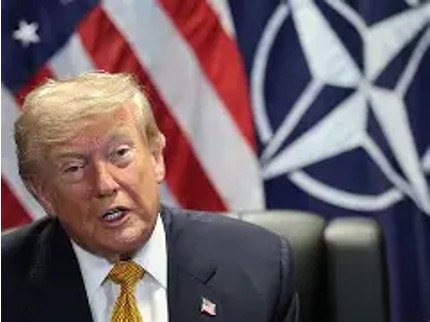
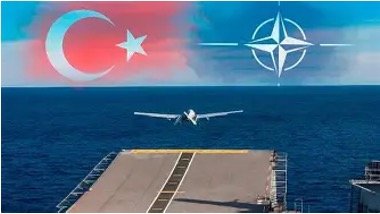
Trump, speaking at the NATO summit in Ankara, declared that the Iran ceasefire was over.
That was not a footnote. That was the sound of the record scratching in the middle of the party. Oil jumped sharply, European stocks fell, U.S. futures dropped, and the market suddenly remembered that the Strait of Hormuz is one of the most important energy arteries in the world, and it is not open.
Oil was reported up around 5%, European stocks were down around 1.8%, and bond yields rose as traders immediately started worrying about inflation again. Funny how quickly the market remembers inflation when energy prices start behaving badly.
This is where the Old Man starts tapping the table.

We have been suspicious of this Iran ceasefire from the start. Not because we enjoy being miserable, but because markets have a terrible habit of pricing political promises as if they were signed by adults. A ceasefire is not peace. A memorandum is not stability. And a politician saying “calm down” is usually the moment to check your stop-loss.
The AI trade also had a reality check. The S&P 500 slipped to 7,503.85, the Nasdaq dropped 1.2% to 25,818.69, and the Dow eased to 52,925.15 as AI and semiconductor names came under pressure. The market is not abandoning AI, far from it, but it is starting to ask a more grown-up question: how much future perfection is already in the price?
Tesla had a rougher ride too, trading around $402.90 and down more than 4% intraday at the time of pricing. NVIDIA, still the king of the AI hill, was steadier around $196.93, but the wider chip space reminded us that leadership can wobble even when the long-term story remains powerful.
Bitcoin, naturally, did what Bitcoin does. It bounced, faded, teased, and annoyed everyone equally. After dipping below $60,000 earlier, it was back around $62,000. Citi had already cut its 12-month bitcoin target to $82,000 from $112,000, citing weaker investor appetite, negative ETF flows and slow progress on U.S. crypto legislation. So yes, the crypto crowd still has hope. But the easy-money swagger has gone missing.
So where does that leave us?
Equities still want to go higher. AI still matters. The FTSE still benefits when investors remember dividends exist. Gold still has a job. Bitcoin remains the casino with better marketing. But oil is now back at the centre of the board, and now that Iran has moved from headline risk to shipping risk, inflation expectations will not stay calm for long.
The message is simple: stay involved, but don’t fall asleep. – even if you are up late watching the football – because this is a hot crazy summer.
And, if you think Trump’s ability to get a World Cup “Red Card” suspended was crazy, then in our investing world, “craziness” is something we might all have to all get used to over the coming months.
Please note the political opinions expressed above are those of the author himself, and do not necessarily reflect the opinions of JP Fund Services AS.
The post The Rally Was Wearing Sunglasses – Then Iran Threw a Brick Through the Window first appeared on JP Fund Services.
The post The Rally Was Wearing Sunglasses – Then Iran Threw a Brick Through the Window first appeared on trademakers.