

Before diving into last week’s market mayhem, I have to say: “America First” is starting to look a lot like “America on its own.”
Most folks in Europe – egged on by our ever-progressive press – are firmly anti-Trump. And honestly, even I, someone who shares plenty of sympathies with what he’s trying to pull off, still wince at many of his unscripted, off-the-cuff zingers. But let’s get real: in cold, hard, real-world terms, is anyone seriously arguing that ordinary Europeans are getting a better deal from their own leaders than Americans are getting from Trump?
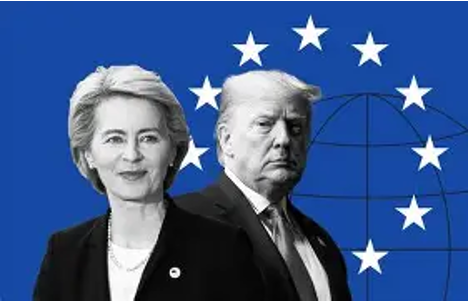
Plus, with only about 30 months left on his clock, is this escalating transatlantic divorce really in anyone’s long-term interest?
Trade spats are one thing. But flat-out refusing to back America – a country that’s historically had Europe’s back when it mattered – might leave a mark that future U.S. presidents won’t forget. And that should give everyone pause.
I’m not picking fish or fowl here. Sure, I dislike the direction much of the EU is heading, I have zero love for the current UK government’s choices, and I’m genuinely worried the situation in Persia could drag on far longer than the Americans and Israelis are hoping. But come on, friends and allies ought to stick together – especially in a world where power is spreading wider, and the list of players capable of threatening the West keeps growing.
That’s my two cents on the big-picture headline. Now, let’s get to what actually happened in the markets over the past week.
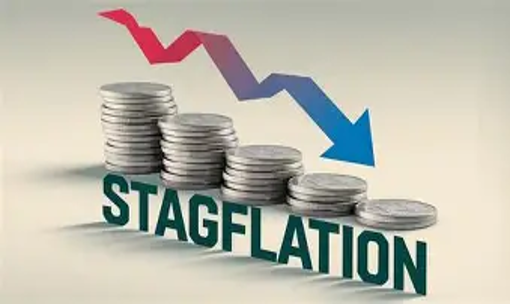
Geopolitics owned everything. The escalating U.S.-Israel-Iran tensions turned the Strait of Hormuz into a no-go zone – shipping traffic plunged amid threats and attacks, effectively choking off roughly 20% of global oil and LNG flows. That sparked a brutal supply shock, sent energy prices into orbit, and revived those nasty stagflation ghosts (rising inflation + slowing growth). Cue a stronger U.S. dollar, risk-off stampedes in equities, and the usual safe-haven scramble elsewhere.
Oil was the undisputed star of the horror show. Brent crude settled in the $100–105 range after some truly wild swings (hitting levels not seen in years), while WTI hovered around $93–98. Month-to-date surges topped 40% at points, with daily moves that felt historic. Key Iranian export sites took hits, retaliation piled on, and even a record IEA reserve release couldn’t fully douse the flames. Markets are pricing in prolonged pain but also clinging to hope that things eventually stabilize – futures curves hint at potential declines later this year if cooler heads prevail.
Equities got scorched. The S&P 500 found some support around the 6600 level, and although it has rallied, I am not sure that support is as strong as some suggest. We’ve now seen three straight down weeks in places, with the Dow and Nasdaq trailing along in the red. Sky-high oil fanned inflation fears, Treasury yields climbed (10-year around 4.28%), and the overall risk-off mood from the conflict crushed sentiment. U.S. stocks actually held up better than Europe or Asia, which are far more exposed to energy imports. A few corporate names took extra body blows – Adobe tanked on leadership drama and AI jitters, Meta on delays, Ulta on outlook gloom – but geopolitics drowned out most earnings noise anyway.
The dollar roared as the ultimate safe haven, turbocharged by the U.S. being a net energy exporter. EURUSD cratered to seven-month lows near 1.14 before clawing back a bit to around 1.15. European natural gas prices exploded higher, piling even more pressure on the euro.
Gold did its classic uncertainty dance – it tried to hold around $5000 based on global events, but a bout of long liquidation ahead of the FMOC meeting saw values drop into the low 4800s.
Bitcoin, meanwhile, appeared to be the defiant outlier. It rallied 14–15% from recent lows, trading in the $73,000–$74,000 zone (and briefly higher). But this rally could not be sustained.
Long liquidation appeared ahead of the FED’S announcement, and it looks like the bears are back in control.

Other noise tried to compete – downward revisions to U.S. Q4 2025 GDP (now +0.7% annualized), dismal consumer sentiment (Michigan index at 55.5), some ugly corporate prints – but nothing could steal the spotlight from the energy/geopolitical freight train. Volatility remained jacked, with the VIX camped around 27.
Right now, all eyes are on the Fed’s decision and updates. As I write this, rates look set to stay on hold, but the real game is whether they nod to stagflation risks or tweak their growth/inflation views. Any whiff of de-escalation in the conflict (economic pain might force the shipping lanes open again) could spark relief rallies – but headlines will keep calling the shots. Options protection is still pricey, and downside risks feel very live.

In short: Oil and the dollar were the runaway winners from the supply shock. Equities (especially in energy-hungry regions) and the euro ate the biggest losses. Gold offered decent hedging, and Bitcoin flexed surprising muscle as an alternative play. The Iran conflict and its energy fallout were the single biggest force across every asset class.
Where do we go from here is anyone’s guess, and whilst it is very tempting to hunker down and play defensive, we cannot ignore that there are some juicy opportunities coming out of this volatility – But I would lean on what the charts are saying, rather than rely on the latest news flash!.
Whatever you do, be careful and enjoy the ride!
Please note the political opinions expressed above are those of the author himself, and do not necessarily reflect the opinions of JP Fund Services AS.
The post Just How Much Wider Can the Gap Between Europe and Trump Get? first appeared on JP Fund Services.
The post Just How Much Wider Can the Gap Between Europe and Trump Get? appeared first on JP Fund Services.
The post Just How Much Wider Can the Gap Between Europe and Trump Get? first appeared on trademakers.