

Markets have spent the past week doing what they do best – telling you everything’s fine while quietly shifting the furniture when you’re not looking.
And if you’ve been around the block a few times, you’ll know that’s usually when you want to start paying attention.
Let’s start with oil, because once again it’s strutting around like it owns the place. The situation around the Strait of Hormuz continues to be our major focus, and the picture is far from clear. Prices have pushed higher, spiked when nerves kick in, and more importantly, they’re staying elevated. That’s the key. This isn’t a one-day wonder; it’s sticky. And sticky oil has a habit of working its way into everything – transport, food, inflation, and ultimately your friendly neighbourhood central banker’s mood.
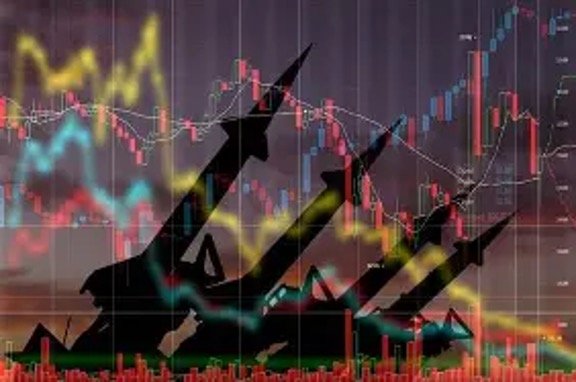
Which brings us neatly to the great rate-cut fantasy that’s been doing the rounds. Only a few months ago, the market was pricing cuts like they were handing out free drinks. Now? Not so much. The chatter has shifted back toward “higher for longer,” and in some corners even whispers of hikes again. It doesn’t take a genius to work out what that does to risk assets. Cheap money built this rally. Less cheap money tends to have a different effect.
Meanwhile, equities – particularly in the US – are still holding up rather well. Almost suspiciously well, if we’re being honest. The S&P 500 continues to hover near highs, powered by a handful of big tech names and that ever-reliable AI story. It’s a narrow market though, and narrow markets have a nasty habit of looking strong right up until they don’t. I’ve seen this film before. The ending rarely changes.
Bond markets, for their part, are no longer asleep at the wheel. Yields are edging higher again, and that’s the market quietly tightening conditions whether central banks like it or not. You can ignore bonds for a while, but eventually they tap you on the shoulder – and it’s rarely a polite tap.
Currencies are getting twitchy too. The Japanese yen has been bouncing around enough to make people start muttering about intervention, which is always a sign that something’s creaking beneath the surface. FX tends to be the early warning system most people ignore… until it’s too late.
Now, while everyone’s been obsessing over AI darlings and chasing the same crowded trades, we’ve quietly been poking around in the less fashionable corners of the commodity space. Not the headline-grabbing stuff – no chest-beating, no drama – just the sort of markets that don’t make the front page.
And you know what? They’ve behaved rather well. Decent, steady returns, and – perhaps more importantly – without the daily headache of wondering what the next geopolitical headline is going to do to your position.
Funny that. Sometimes the best trades are the ones nobody’s talking about.
And just to keep things interesting, politics is back in the mix. The UK is doing its usual impression of a soap opera, with Keir Starmer trying to keep his job while markets keep one eye firmly on gilt yields. Investors have long memories. Liz Truss, 2022, once bitten, twice shy, and all that.
Put it all together and what do you get? A market that’s pricing optimism while quietly accumulating risk. Oil says inflation isn’t done. Bonds say money isn’t easy. FX says something’s shifting. And equities? Well, equities are still dancing… but the music’s starting to sound a bit off.
Now, I’m not saying run for the hills. There’s always money to be made if you know where to look. But if you’re charging into crowded trades, convinced the good times will roll on indefinitely, you might want to check where the exits are.
Because in this game, it’s not the obvious risks that get you – it’s the ones everyone decided to ignore.
I’ll stop you right there – if you’re looking for neat, gift-wrapped “ideas,” you’re already thinking like the crowd. And the crowd, more often than not, turns up late and leaves poor. What I’ll give you instead are places to look – the sort of corners the herd either ignores or doesn’t understand.
We’ve already touched on it, but it’s worth repeating: the unfashionable end of commodities is quietly doing its job. While everyone is chasing oil headlines and gold soundbites, there’s been decent, steady movement in areas like softs and secondary industrial inputs.
Nothing glamorous, nothing that makes you feel clever at a dinner party – but the sort of trades that tick along without giving you indigestion every time a missile flies over the Strait of Hormuz. If volatility continues to be headline-driven, these quieter markets may remain fertile ground.
Energy itself is another one – but not in the obvious way. Everyone piles into crude when it’s already moving. That’s not where the edge is. The interesting angles tend to sit around the edges – refining margins, regional dislocations, and the knock-on effects in transport and production chains. When oil stays high, something somewhere starts to break or distort. That’s where you want to be looking.
Equities? Yes, they’re still climbing, but the S&P 500 is being dragged higher by a relatively small group of names. That creates opportunity – not in chasing them, but in asking what’s been left behind. There are sectors that have done very little while the headlines scream about AI. Sometimes the better trade is in the laggards, particularly if the macro backdrop shifts even slightly.
Currencies are another hunting ground that most equity-focused investors ignore. The movement in the Japanese yen is a good example. When central banks start getting twitchy and intervention chatter picks up, you often get sharp, tradable dislocations. It’s not always comfortable, but it’s rarely boring.
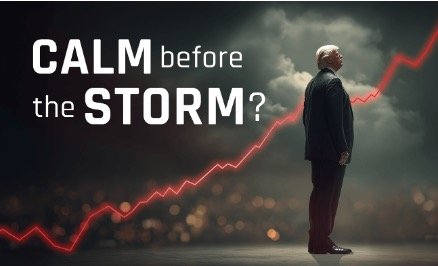
And then there’s volatility itself. In a market that looks calm on the surface but has oil, rates, geopolitics, and politics all simmering underneath, pricing of risk can get complacent. Periods like this don’t last forever. Whether you express that through options or simply by being more tactical with positioning, it’s something worth keeping in the back pocket.
If you want a simple way to frame it, here it is:
Don’t chase what’s obvious. Look for what’s quiet, ignored, or slightly broken.
Because right now, the headline trades are crowded, the narratives are comfortable, and the risks are building in the background. And in my experience, that’s exactly when the more interesting opportunities start to appear … just not where everyone’s looking.
Please note the political opinions expressed above are those of the author himself, and do not necessarily reflect the opinions of JP Fund Services AS.
The post Crowded Markets Dancing on a Loaded Gun first appeared on JP Fund Services.
The post Crowded Markets Dancing on a Loaded Gun appeared first on JP Fund Services.
The post Crowded Markets Dancing on a Loaded Gun first appeared on trademakers.