
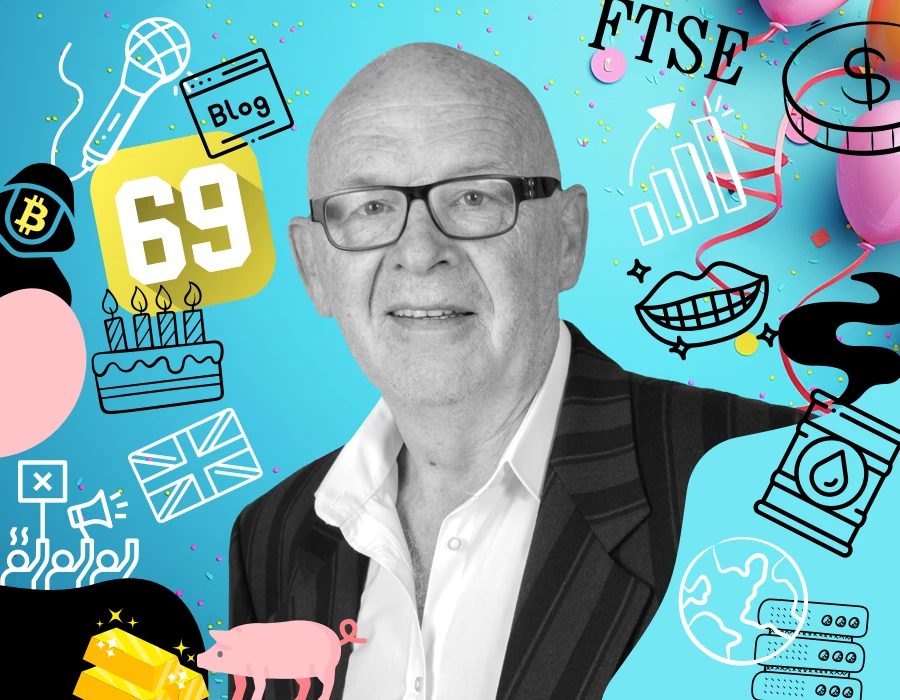
I turned 69 this week, which is an awkward number to announce in polite company and an even more awkward one to celebrate while watching these markets pretend they know what they’re doing. At my age, I’ve learned two things. First, never trust anyone with a microphone or a blog. Second, never trust a market that smiles too much. And this week, both were grinning like second-hand car salesmen.
US equities still look firm on the surface, but I’m not convinced what’s holding them up is quite as strong as the headlines suggest. The S&P 500 and Nasdaq have been hovering around very rich levels, helped once again by the usual technology darlings and the great AI religion. Every cycle has its miracle story. In the 1970s it was natural resources, in the 1990s it was dotcoms, before 2008 it was property and financial engineering, and now apparently every company with a server and a press release is changing the world.
Maybe they are. But markets have a nasty habit of turning genuine revolutions into crowded trades. When Nvidia becomes less of a company and more of a monetary policy tool, you know things have gone a little crazy. The Nasdaq still has momentum, but it also has a crowd leaning in the same direction. That is fine until someone shouts fire. From here, you either need discipline or a very good excuse.
The FTSE, something nobody loves it, nobody brags about owning, and yet so far, it keeps finding support. UK equities are not glamorous, but they are cheap, defensive, and stuffed with companies earning money outside Britain, which is probably just as well given the state of the nation.
The FTSE is outperforming not because Westminster has discovered competence. It hasn’t. Keir Starmer is under pressure, Rachel Reeves’ position is being undermined by the guy who sold British Gold for less than $300, Gordon Brown. And you only have to look at what’s happening in the bond market to realise UK borrowing is not free, and nor will it solve any of the UKs government spending problems.
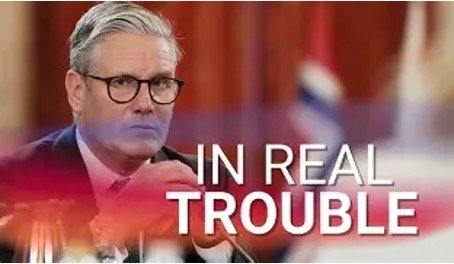
Moreover, as we saw over the weekend, the British public have also had enough of the direction the country is going, both fiscally and socially, and are now taking to the streets en masse. So, things really do not look great in “socialist” Britain.
Currencies told the same old story. The dollar remains the world’s emergency blanket. Everyone complains about Trump’s America – the debt, the politics, the deficits, the noise – but when trouble starts, they still buy dollars. The dollar has not won because it is beautiful. It has won because the alternatives are less attractive. The euro remains stuck in its usual European committee meeting, still wrestling with weak growth and suicidal expensive energy policies. Sterling, meanwhile, is still dancing to inflation and Bank of England expectations. The simple version: if inflation keeps easing, sterling loses some rate support. If oil spikes again, the Bank of England gets dragged back into the mud. Take your pick.
Oil is still the commodity that matters most. Not necessarily because it is fashionable, but because it feeds into everything. Transport, food, manufacturing, inflation, central banks, politics – oil gets everywhere, like cigarette smoke once did in old dealing rooms.
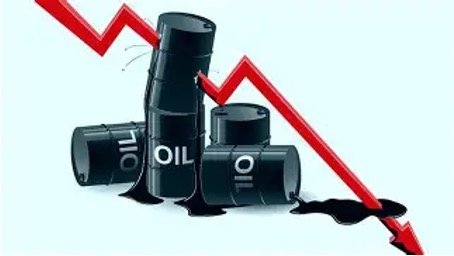
The Gulf and Middle East situation remains the live grenade. The continued disruption around the Strait of Hormuz is all that matters. Hence, all those clever economic forecasts I’m receiving daily in my mailbox are going straight into the bin.
Gold is weaker, but it’s not collapsing. Gold is not just about inflation anymore. It is about trust – trust in governments, currencies, central banks, and the ability of politicians not to make a complete pig’s breakfast of things. On that score, gold still has a decent argument; you just need to pick a level where to add.

Bitcoin is more complicated. I like the idea, I respect the price action, but I still do not fully trust the behaviour. It wants to be digital gold, but too often it behaves like a leveraged tech stock wearing a hoodie. When liquidity is flowing and risk appetite is strong, Bitcoin looks clever. When markets wobble, it often remembers it is still a speculative asset. Anyone calling it a safe haven needs to have a cold shower and read a chart.
So, what does this all mean for speculators? Don’t be crazy. That is the technical term. US equities can still rise, but they are no longer cheap or innocent. The FTSE may offer value, but with a lot of political baggage attached. The dollar remains the default hiding place. Oil is the troublemaker. Gold is the insurance policy. Bitcoin is still the punt with the best marketing department in finance.
At 69, I may be old enough to know better, but I am also old enough to know markets rarely reward complacency. When you think you know what’s going on, there is always someone trying to get in your pocket to relieve you of your wallet.
So, when politicians tell you they have everything under control, stand back, pour yourself a stiff drink, and look for a product with a set-up truly worthy of speculating in. One which is less likely to be destroyed by some overnight, knee-jerk, political decision.
Please note the political opinions expressed above are those of the author himself, and do not necessarily reflect the opinions of JP Fund Services AS.
The post Sixty-Nine… Strangely Enough, Not My Favourite Number appeared first on JP Fund Services.
The post Sixty-Nine… Strangely Enough, Not My Favourite Number first appeared on trademakers.