
The past week we saw markets do what they always do when there is a sniff of peace in the air: stop worrying for five minutes, buy the usual favourites, and pretend the world has suddenly become sensible. Lovely idea. Shame about reality.
The big story – once again – is the possible agreement between the United States and Iran. Markets are watching whether Washington and Tehran can find a way to come to an agreement, reduce pressure around the Strait of Hormuz, and stop oil from being a political grenade.
Oil told the story. Earlier last week, crude pushed higher as traders waited for Iran’s response to a US proposal. Brent and WTI were still trading at uncomfortable levels because nobody with a functioning brain truly believed Gulf risk had disappeared. But when talk of a deal improved, oil eased and equities breathed out. That is the market in a nutshell: one headline from Tehran, one comment from Washington, and suddenly billions move around the screen like frightened sheep.
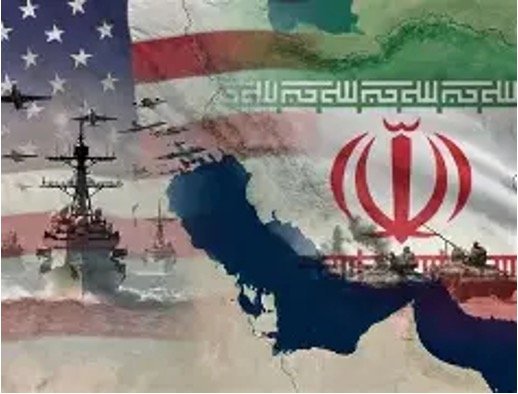
A US-Iran agreement would be a big deal for markets. If it brings about a real ceasefire and helps stabilise Hormuz properly, it takes immediate pressure off oil, shipping, inflation, and consumer confidence. Lower oil removes one boot from the throat of the global economy. It gives central banks breathing room, calms bond markets, helps equities, and helps politicians too, which is probably why they are all suddenly so enthusiastic about peace.
But let’s not get carried away. A deal is not the same as trust. Markets are pricing relief, not resolution. That distinction matters. If the agreement fails, or if Iran uses the pause to buy time, oil can turn around sharply. Traders shorting energy too aggressively here are playing with matches in a petrol station.
This week, the S&P 500 had a better tone after Friday’s nasty tech-led fall, but again the rally looked narrower than the headlines suggested. The index can go up while most investors feel like they are being quietly robbed. That is because money is still flooding into AI and chip stocks. The problem is simple: money does not appear from the clouds. If it is being rammed into AI, semiconductors, data centres, and every company pretending it has discovered artificial intelligence, then it has to come away from somewhere else.
That “somewhere else” is the rest of the market.

Therefore, AI is not just lifting the market; it is sucking oxygen out of it. Old economy stocks, mid-caps, defensives, smaller industrials, and boring cash-generating businesses are being ignored while investors queue up to buy the same fashionable names at heroic valuations. The result is a market that looks strong from 30,000 feet but feels weak if you are not sitting in the right handful of stocks. That is not broad confidence. That is potentially dangerous crowd behaviour.
The Nasdaq remains the clearest example. It bounced as chipmakers recovered, and the usual AI disciples came back out smiling. Fine. The AI theme is real. Demand for chips, cloud infrastructure, data centres, and computing power is not imaginary. But valuation still matters. When one corner of the market carries too much of the load, any wobble there becomes everybody’s problem. Friday gave us a taste of that. It was not the end of the world, but it was a reminder that crowded trades do not unwind politely.
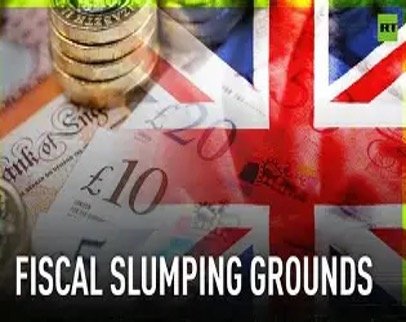
The FTSE 100, meanwhile, continued to behave like Britain itself: not dead, not thriving, just shuffling along wondering who is in charge. The index still benefits from global earners, energy, miners, banks, and dividends. But do not confuse that with confidence in the UK economy. UK politics remains a mess. Labour is under pressure, voters are restless, and businesses are still trying to work out how much the next knee-jerk policy will cost them.
Sterling held up reasonably well, but the pound is still vulnerable. GBP/USD can bounce, especially if the dollar softens, but Britain’s fiscal story remains ugly. Too much spending, too little growth, too many promises, and not enough adults in the room. The euro also found support, helped by the idea that the ECB may need to stay firm if inflation refuses to behave. But Europe has its own problems: weak growth, high regulation, expensive energy, and politicians who think competitiveness can be created by committee.
The dollar was choppy rather than broken. The market wants to believe US rates are heading lower, but stronger data keeps interrupting the bedtime story. If oil falls because of a US-Iran deal, that helps the inflation narrative. If oil jumps again because the agreement collapses, the Fed gets dragged back into a more uncomfortable conversation. That is why the Gulf matters far beyond the oil chart. It feeds directly into inflation, rates, currencies, and equity valuations.
Gold eased but be careful. Peace hopes reduce the panic bid, while higher yields still make life harder for gold. If the Iran deal falls apart, if oil spikes, if inflation expectations rise, or if bond markets start sulking again, gold will come back into fashion very quickly. People mock gold when things are calm, then rediscover it when the wallpaper catches fire.
Bitcoin broke below $60,000, the lowest level since 2024. Yes, the long-term believers are still there. Yes, ETF flows matter. But Bitcoin is not immune to liquidity shocks, geopolitical scares, or tech-sector weakness. And when the Nasdaq sneezes, Bitcoin often reaches for a tissue.
So where does that leave traders? In a market that is hopeful, narrow, and more fragile than it looks.
The key now is the US-Iran agreement. If a deal holds, oil can ease, inflation fears can cool, and equities may keep floating higher. But if the deal disappoints, or Hormuz risk returns, the whole market mood can change quickly. At the same time, watch the AI trade like a hawk. Money is still pouring into it, but that money is being drained from other stocks. A market led by a small group of glamorous names is not healthy. It is impressive, yes. Profitable, maybe. But healthy? Don’t make me laugh.

Traders should continue to watch oil, Hormuz, the dollar, and AI breadth. Not speeches or slogans. If the US-Iran deal holds, risk assets get breathing space. If AI keeps rising while the rest of the market goes nowhere, the rally gets more dangerous, not less. Trade it, but don’t worship it. This is a market offering opportunities, not guarantees. And the moment you forget the difference; it will take your trousers and charge you interest.
Please note the political opinions expressed above are those of the author himself, and do not necessarily reflect the opinions of JP Fund Services AS.
The post Are Markets Pricing Relief, Instead of Reality? first appeared on JP Fund Services.
The post Are Markets Pricing Relief, Instead of Reality? first appeared on trademakers.